Glossary of Literary Terms
Glossary of Literary Terms.
Hi, my name is Katherine Gravel-Orchard. I am 22 years old and I have been studying at Édouard-Montpetit college for almost two years. Myself was studying History before, but I recently change course. I am now studying Arts, Literature and Communication : Literature. I have created this glossary to help students or people interested in Arts, Literature and Communication: Literature's program. The glossary will help understand the meaning of twenty words related to Literature. Each word will have a definition, an audio pronunciation to help people say the word correctly, an example of how we can use the word in a sentence and images to correctly represent the word itself.
- allusion
- noun
- The practice of making allusions, especially as an artistic device.
- Example: But as soon as the name has merged with the object it designates, we must, conversely, resort to metaphor, allusion or allegory if we wish a more expressive term.
- en: allusion

- author
- noun
- A writer of a book, article, or report.
- Example: The extracts of this book I was able to obtain were interesting, given the author's passionate, literary style, and provided useful quotes to underpin arguments on.
- en: auteur.e

- character
- noun
- A person in a novel, play, or movie.
- Example: Each design had 'its own character, reflecting the life style of the residents and the environment in which they lived.
- en: personnage

- comedy
- noun
- A movie, play, or broadcast program intended to make an audience laugh.
- Example: All of the participants were exposed to an edited version of a prime-time situation comedy that contained White and African American characters and asked to complete a post-viewing survey.
- en: comédie
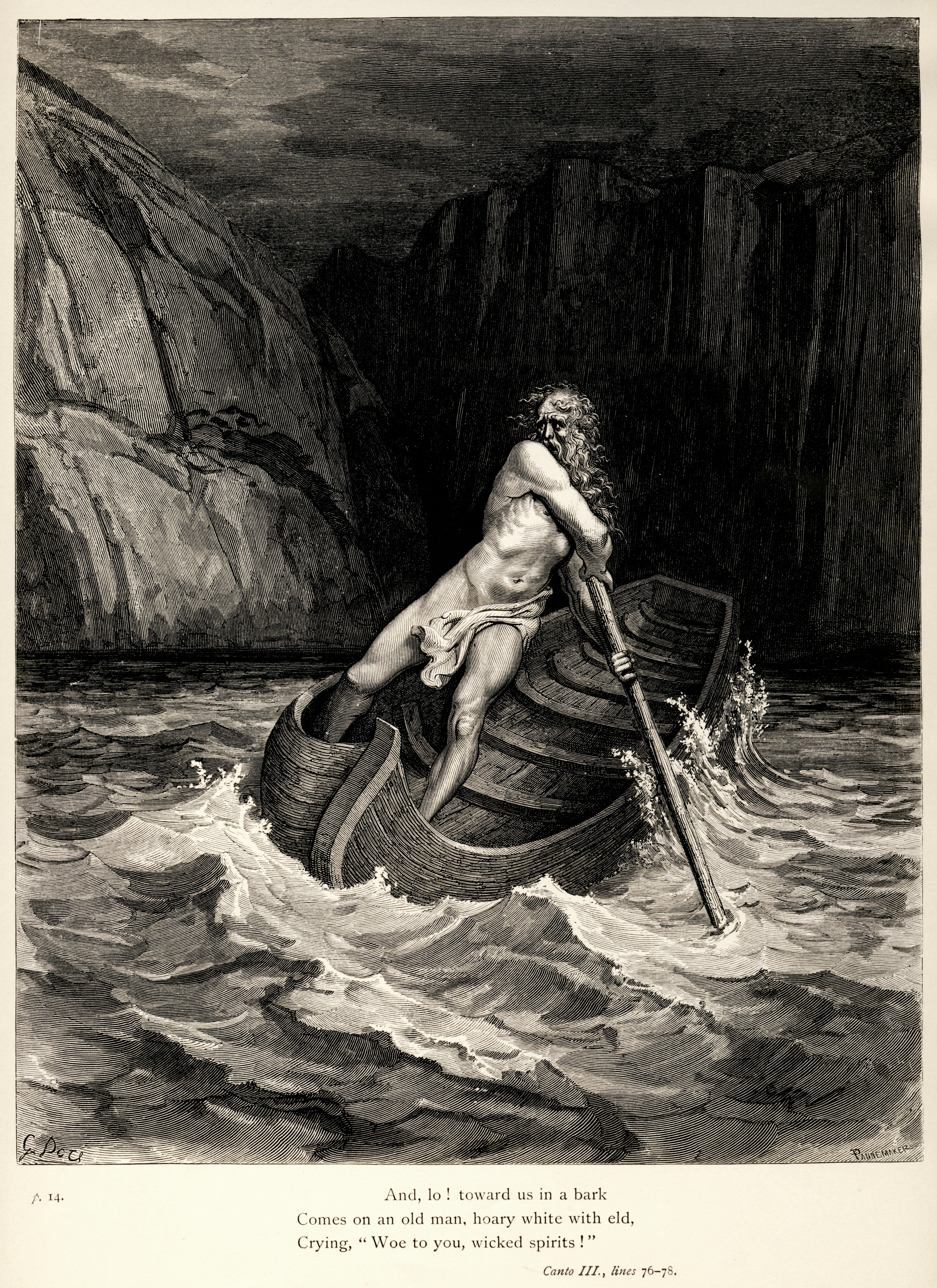
- copyright
- noun
- The exclusive legal right, given to an originator or an assignee to print, publish, perform, film, or record literary, artistic, or musical material, and to authorize others to do the same.
- Example: Such schemes of reduction include combining forces with copyright owners to decrease the frequency of items being sold online which contravene copyright laws.
- en: droits d'auteur

- criticism
- noun
- The analysis and judgment of the merits and faults of a literary or artistic work.
- Example: Furthermore, this group of writers produced writings on art history and criticism that merged aspects of descriptive modernism with revised critical modernism.
- en: critique

- denotation
- noun
- The action or process of indicating or referring to something by means of a word, symbol, etc.
- Example: This principle captures the fact that the speakers of languages depend on consistency of denotation from one time to the next in the meaning of a word or expression.
- en: dénotation

- dialogue
- noun
- Conversation between two or more people as a feature of a book, play, or movie.
- Example: With independent support by Connor and in dialogue with Schindler, it becomes the favoured viewpoint.
- en: dialogue

- didactic
- adjective
- Intended to teach, particularly in having moral instruction as an ulterior motive.
- Example: Ever since the twelfth century a particular form of didactic literature, an instruction manual written for princes giving them both moral and practical advice on how best to rule those under their care, had been developing.
- en: didactique
- fiction
- noun
- Literature in the form of prose, especially short stories and novels, that describes imaginary events and people.
- Example: There is a genre of literature in which the work is purposely written within the diary format; this type of writings known as diary fiction.
- en: fiction

- narrative
- noun
- A spoken or written account of connected events; a story.
- Example: He rejected the medieval style of writing history chronicles and revived the Roman historian, Livy's, model of writing the history of a city-state with an introductory book on the origins and the early history of the city followed by a detailed account of events, organized as a year-to-year narrative and grouped into books.
- en: récit
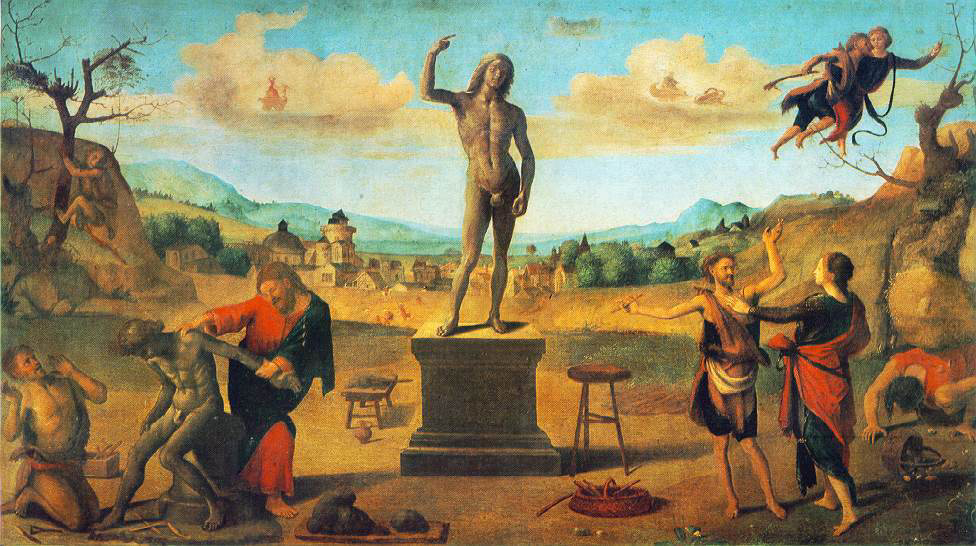
- narrator
- noun
- A person who narrates something, especially a character who recounts the events of a novel or narrative poem.
- Example: The title is a bold and strikingly simple black rising out of dark red smoke conjuring negative images of death and war foreshadowing the upcoming first act and preceding the prologue which acts as a narrator simply setting the scene and its historical significance for the audience.
- en: narrateur.trice

- parable
- noun
- A simple story used to illustrate a moral or spiritual lesson, as told by Jesus in the Gospels.
- Example: This opening parable may be read as an allegorical figuration of the main idea behind the novel: written and oral means of communication are interdependent in the modern world.
- en: parabole

- plot
- noun
- The main events of a play, novel, movie, or similar work, devised and presented by the writer as an interrelated sequence.
- Example: The author's trademarks are such clues, play-on-words, building the plot around common expressions in English like "red herring", and exaggerating alliterations or other figures of speech.
- en: intrigue

- poetry
- noun
- Literary work in which special intensity is given to the expression of feelings and ideas by the use of distinctive style and rhythm; poems collectively or as a genre of literature.
- Example: Perhaps the continued interest in Helen can be attributed to the varied ways she is presented in Classical epic poetry.
- en: poésie

- protagonist
- noun
- The leading character or one of the major characters in a drama, movie, novel, or other fictional text.
- Example: The protagonist Carrie spends each episode looking at the problems of young single successful women, problems which usually focus around sex.
- en: protagoniste

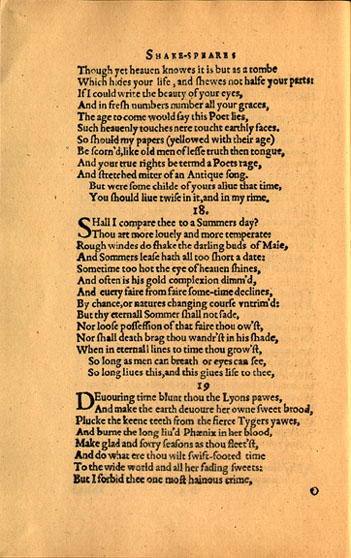
- sonnet
- noun
- A poem of fourteen lines using any of a number of formal rhyme schemes, in English typically having ten syllables per line.
- Example: He is very dismissive about the famous reading of a Shakespeare sonnet by Jakobson and Jones, which minutely analyses its linguistic features, and emerges with a banal paraphrase which, Thurley remarks, "any schoolboy would scorn to produce".
- en: sonnet
- theme
- noun
- An idea that recurs in or pervades a work of art or literature.
- Example: The imperative for a writer of a chronological survey is that a defined period of time is covered; this may be linked with a theme, such as the history of styles in Gombrich's case, but it is unlikely to be linked solely with a spotlight on quality.
- en: thème
- tragic
- adjective
- Relating to tragedy in a literary work.
- Example: As Goldhill suggests after comparing Sophocles' Procne to Medea: "The attribution if such sentiments to two such similar characters by two different playwrights suggests that the lot of women was, in late fifth-century Athens, very much a question of the day, and also a subject that fascinated the tragic poets.".
- en: tragique

- writer
- noun
- Person who writes books, stories, or articles as a job or regular occupation.
- Example: This study does give specifics drawn from the novels, short stories and screenplays of Argentine writer Beatriz Guido (1925-1988), wife of noted film director Leopoldo Torre Nilsson.
- en: écrivain.e
